

What does hand microsurgery involve?
Microsurgery is the set of surgical techniques carried out with the help of a surgical microscope or high-magnification loupes, using specific instruments and sutures finer than a hair. It allows structures one or two millimetres in diameter to be repaired, such as the digital nerves, arteries and veins of the fingers, which cannot be treated precisely with the naked eye.
In the hand, these techniques are applied to repairing nerves and vessels after wounds, to replantation of amputated fingers or segments, to revascularisation of parts that retain a partial attachment, and to reconstruction of skin and tissue defects using flaps. It is a distinct discipline within hand surgery and in many cases is combined with peripheral nerve surgery and tendon surgery, because a single injury often affects several structures.
When is it indicated?
Most hand microsurgery is carried out in the context of traumatic injuries, frequently as an emergency:
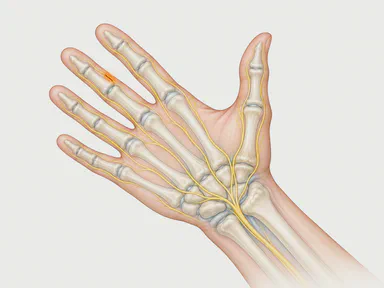
- wounds involving a cut to nerves of the hand, producing loss of sensation or movement;
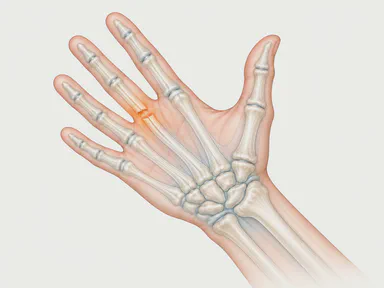
- injuries to arteries that compromise the circulation of a finger;
- complete or partial amputations of fingers, the thumb or larger segments;
- loss of skin or tissue that exposes tendons, bones or joints and cannot be closed directly.
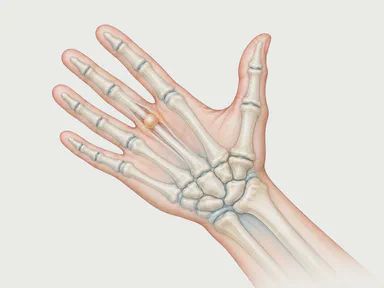
It is also used on a planned basis in the reconstruction of after-effects, in delayed nerve repair, in the removal of some tumours of the hand close to nerves and vessels, and in covering defects after other surgeries.
Before the procedure
In an emergency, time is an important factor, especially when there is vascular compromise. The sensation, movement and circulation of the fingers are examined, X-rays are taken and surgery is decided with the information available. If there is an amputated fragment, it should be wrapped in moist gauze, placed in a sealed bag and kept cold without direct contact with ice. It is advisable to attend fasting, as the procedure usually requires regional or general anaesthesia.
In planned surgery, the assessment is more measured: previous tests are reviewed, the structure to be repaired or reconstructed is defined, and the alternatives are explained, including what can and cannot be expected from the procedure.
How is it carried out?
Under the microscope, the surgeon identifies the ends of the injured structure, cleans them and joins them with very fine sutures. In nerve suturing, the aim is to align the internal fascicles so that regenerating fibres find the correct path; if a segment is missing and the ends do not reach without tension, a graft or a conduit is interposed. In suturing arteries and veins, blood flow is re-established, and the finger is checked to regain its colour and capillary refill.
In a replantation, the sequence of work is systematic: the bone is fixed, the tendons are repaired, the arteries, nerves and veins are sutured, and the skin is closed. It is a lengthy procedure requiring a trained team and a hospital with the right facilities. Dr Martí Puente is part of the Hand Surgery / Replant Team (Equip Reimplants) at the Corporació Sanitària Parc Taulí, where this type of emergency is treated. Revascularisation follows the same principles when the segment retains part of its attachment but has lost its circulation.
Flaps are portions of tissue with their own blood supply that are transferred to cover a defect. They can come from the hand itself or nearby areas, or, in more complex cases, from other parts of the body, with their vessels joined by microsurgery to the receiving vessels.
Recovery and follow-up
After a microsurgical repair, the hand is protected with a splint and monitored closely over the first few days, particularly the circulation when vessels have been sutured. Smoking, cold and caffeine are avoided during this period because they reduce blood flow. Hospital admission is usual after a replantation or a revascularisation.
Subsequent recovery is long. Nerves regenerate at about one millimetre a day, so sensation and muscle function can take many months to improve. Rehabilitation with a hand therapist is essential to regain mobility, control swelling and the scar, and retrain sensation. Follow-up continues until progress has stabilised.
Risks and limitations
In addition to the general risks of any surgery, such as infection or healing problems, microsurgery has specific risks. The suture of a vessel can thrombose and require further surgery, and a replantation or a flap can fail despite correct technique. Repair of a nerve does not guarantee full recovery of sensation or strength, and hypersensitivity, cold intolerance or a painful neuroma can remain.
There are also limits to what is indicated: not every amputation can be replanted, and sometimes a well-tidied amputation gives a more functional hand than a replantation with a poor prognosis. These decisions are explained candidly, at the moment they need to be made and with the information available.
Hand microsurgery in Barcelona
Dr Marta Martí Puente is a specialist in Orthopaedic Surgery and Traumatology with a focus on the hand, the wrist and microsurgery. At her consultation in Barcelona she assesses both the after-effects of traumatic injuries and cases requiring planned reconstruction, and explains in each situation what microsurgery can offer and what its limits are.
Frequently asked questions
What is the difference between microsurgery and conventional hand surgery?
Can an amputated finger always be replanted?
How should I preserve an amputated finger?
How long does sensation take to recover after a nerve has been sutured?
Related conditions
- Nerve injuries Section, compression or neuroma of the median, ulnar, radial or digital nerves, with loss of sensation or strength that may require microsurgery.
- Tendon injuries Cuts, ruptures and detachments of the tendons that move the fingers: from mallet finger to deep wounds requiring urgent repair.
- Hand tumours Most lumps in the hand and wrist are benign, but every lump deserves a diagnosis: cysts, soft-tissue tumours and bone tumours.
Sources and references
The information on this page is general and educational. It does not replace an individual medical assessment.
