

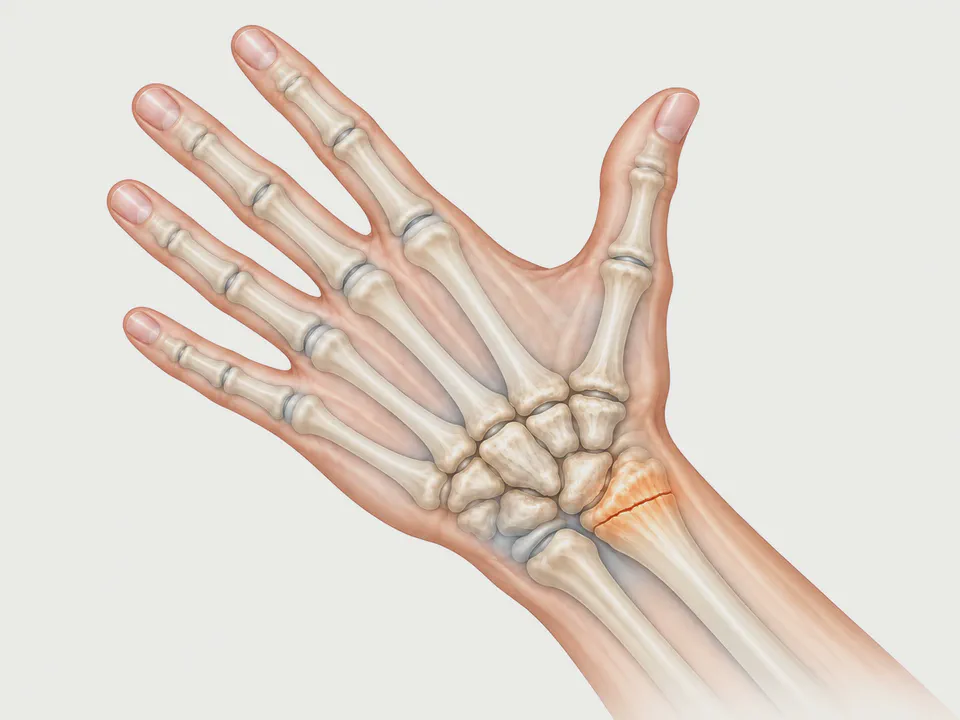
What is a distal radius fracture?
A distal radius fracture is a break in the end of the radius, the forearm bone that forms most of the wrist joint. It is the most common wrist fracture and one of the most frequent in the whole body. The typical mechanism is a fall onto an outstretched hand: the weight of the body is transmitted to the wrist and the radius gives way near the joint.
When the distal fragment displaces towards the back of the hand, the wrist takes on a characteristic “dinner fork” shape. This variant is known as a Colles’ fracture and is the most common type, especially in older people with fragile bones. Other forms exist, depending on the direction of displacement and whether the fracture line enters the joint, and this distinction is what guides treatment.
Symptoms
- Sudden, intense pain in the wrist after the fall, which increases when trying to move it.
- Swelling and bruising over the following hours.
- Visible deformity when the fracture is displaced.
- Difficulty rotating the forearm or putting weight through the hand.
- In some cases, tingling in the fingers due to inflammation pressing on the median nerve.
Not every fracture deforms the wrist. A non-displaced fracture can be mistaken for a sprain, so significant pain after a fall is worth having X-rayed.
Causes and risk factors
The direct cause is almost always trauma. In younger people this is usually a high-energy fall, for example while cycling, skating or playing sport. In older people, a fall from standing height is enough, because osteoporosis weakens the bone.
For this reason, a distal radius fracture from the age of 50 onwards is often considered a fragility fracture. In these cases it is worth assessing bone health, since it can be the first warning sign of undiagnosed osteoporosis.
Diagnosis
X-rays in two views confirm the fracture and show the displacement, the angulation of the fragment, and whether the line reaches the joint surface. In complex or joint fractures, a CT scan is requested, allowing surgery to be planned with greater precision.
Distal radius fracture is frequently accompanied by other injuries that need to be actively looked for: a fracture of the ulnar styloid, injury to the triangular fibrocartilage complex, or rupture of the scapholunate ligament. These associated injuries explain some of the pain that persists once the bone has healed.
Treatment
The goal is for the radius to heal with correct alignment and for the wrist to regain its mobility. In non-displaced fractures, or when the fracture ends up well aligned after a closed reduction under anaesthesia, treatment is a splint or cast for around five or six weeks.
During that period, check X-rays are taken, because some fractures that initially seemed stable displace within the first few weeks. From the first day, it is recommended to move the fingers, elbow and shoulder to prevent stiffness and swelling.
When is surgery necessary?
Surgery is considered when:
- the fracture is displaced and an acceptable reduction cannot be achieved;
- the fracture is unstable and displaces again within the cast;
- the fracture line affects the joint and leaves a step in the cartilage;
- there are several fragments or an open fracture;
- associated injuries also require repair.
Age, activity level and each person’s needs weigh into the decision. In a young, active person, an anatomical reconstruction of the joint is usually sought; in an older person with low demands, conservative treatment with an acceptable alignment can offer a good functional result.
Distal radius fracture surgery
The most widely used technique today is open reduction and volar plate fixation: through an incision on the front of the wrist, the fragments are repositioned and fixed with an angle-stable plate and screws. This fixation is strong enough to allow the wrist to start moving early, without waiting weeks in a cast. In specific fractures, percutaneous wires or an external fixator are used.
In joint fractures, wrist arthroscopy allows direct confirmation that the joint surface is well aligned, and allows diagnosis and treatment of ligament or triangular fibrocartilage injuries during the same procedure. This technique forms part of surgery for hand and wrist fractures and of wrist surgery.
Recovery
After plate surgery, a protective splint is placed for a few days or a few weeks, and wrist mobilisation starts early according to the stability achieved. Bone healing takes around six weeks, but recovery of full strength and mobility is slower and can take several months. Some people notice improvement up to a year after the fracture.
Stiffness is the most common after-effect, and rehabilitation is a central part of treatment, whether or not surgery has been performed. Other possible complications, which are explained before deciding on treatment, are carpal tunnel syndrome, irritation or rupture of tendons, healing in a poor position, and, less commonly, complex regional pain syndrome.
Specialist in distal radius fracture in Barcelona
Dr Marta Martí Puente is a specialist in Orthopaedic Surgery and Traumatology with a focus on hand surgery and the wrist. At her consultation in Barcelona she assesses each distal radius fracture individually, from cast treatment through to plate fixation or arthroscopy-assisted surgery, and supports recovery through to a return to usual activity.
Frequently asked questions
Does every distal radius fracture need an operation?
How long will I wear the cast?
Does the plate need to be removed afterwards?
Why are my fingers stiff after the cast?
Can pain remain on the little-finger side after the fracture?
Related conditions
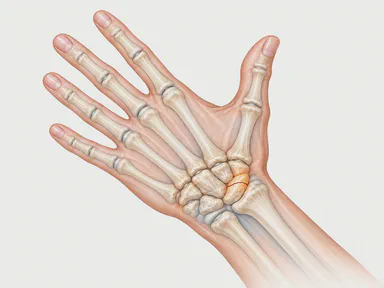
- Scaphoid fracture A fracture of the most vulnerable bone in the wrist: often not seen on the first X-ray, and if it fails to heal, it can lead to nonunion.
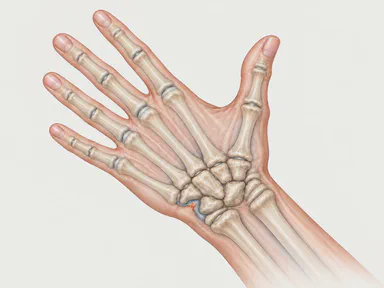
- TFCC injury A frequent cause of pain on the little-finger side of the wrist, with clicking when rotating the forearm, after a fall or due to wear.
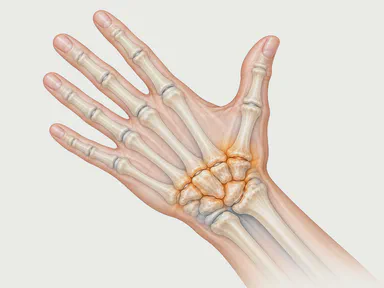
- Wrist osteoarthritis Wear of the wrist cartilage, almost always a consequence of an old fracture or ligament rupture, causing progressive pain and stiffness.
- Carpal tunnel Night-time tingling, numbness in the fingers and loss of strength caused by compression of the median nerve at the wrist.
Sources and references
The information on this page is general and educational. It does not replace an individual medical assessment.
